Top benefits of transforming PDFs into audio podcasts
Ditch the Screen - Why You Should Turn Your PDFs Into Audio Podcasts Today
How many unread PDFs currently clutter your desktop? If you are like most professionals, students, and lifelong learners, the answer is likely dozens. We live in an information-heavy world, but we have very little time to consume it. Long research papers, corporate reports, and study guides pile up. They strain our eyes and demand our absolute, stationary attention. Sitting and staring at a screen for hours is no longer the only way to digest complex information.
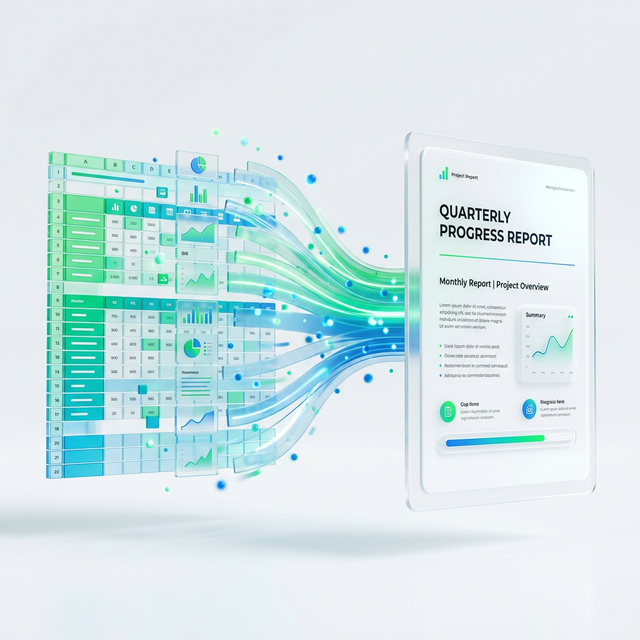
The solution is simpler than you think. You can transform these static documents into engaging, high-quality audio podcasts. AI technology now converts written text into natural-sounding voices. This shift from reading to listening completely changes how we consume data. It turns dense documentation into a dynamic, mobile learning experience. Here are the top benefits of transforming your PDFs into audio podcasts and how this shift can supercharge your productivity.
First, turning documents into audio unlocks ultimate portability and multitasking. Reading a PDF requires your hands, your eyes, and your stationary presence. Listening only requires your ears. When you convert your files into audio, you instantly reclaim lost time during your day. You can listen to corporate reports during your morning run. You can catch up on industry news while cooking dinner. This transition turns otherwise unproductive transition times into valuable learning windows.
Furthermore, busy schedules often prevent us from finishing crucial reading lists. Audio files allow you to easily integrate learning into your existing routine. You no longer have to choose between going for a walk and studying for your next exam. You can explore how this innovative technology works on our AI audio overview and features page. Once you start listening to your documents, you will wonder how you ever managed without it.
Second, this approach significantly reduces eye strain and cognitive fatigue. Staring at screens for long periods causes headaches, blurred vision, and physical exhaustion. This fatigue directly impacts how well you retain information. When you switch to an audio format, you give your eyes a much-needed break. Close your eyes, sit back, and let the voice guide you through the text.
Auditory learning also caters to different learning styles. Many people process spoken words much better than written text. Listening helps you grasp the tone, cadence, and key emphasis of the content. Instead of skimming through paragraphs and missing vital details, you hear every word clearly. It creates a much more relaxed and focused learning environment, which ultimately boosts your long-term memory retention.
Third, converting PDFs to audio maximizes productivity for both students and professionals. Imagine preparing for a major business meeting or a university exam. Instead of flipping through hundreds of physical or digital pages, you can listen to a curated podcast of your material. You can accelerate the playback speed to review information quickly or rewind to repeat complex concepts. This flexibility gives you full control over your learning pace.
Additionally, sharing information becomes incredibly easy. Teams can distribute weekly updates as audio files, allowing members to listen during their commute. Students can easily convert study guides, textbooks, or research papers with an AI PDF podcast generation tool. This shared auditory experience aligns teams and study groups quickly, ensuring everyone stays on the same page without wasting hours in front of a monitor.
Fourth, audio formats offer unmatched accessibility and inclusivity. Traditional reading poses significant challenges for individuals with dyslexia, ADHD, or visual impairments. Dense blocks of text can feel overwhelming and exclusionary. Converting PDFs into audio podcasts levels the playing field, making knowledge accessible to everyone regardless of physical or cognitive differences.
This inclusive approach fosters a better learning environment in classrooms and workplaces alike. It allows everyone to engage with the material in the format that suits them best. When we remove physical barriers to information, we empower individuals to perform at their highest potential. Audio conversion is not just a tool for convenience; it is a vital step toward universal access to information.
Finally, modern AI voices deliver a highly engaging, human-like listening experience. Gone are the days of robotic, monotone text-to-speech tools that sound like computers. Today's advanced AI generators use natural pacing, realistic pauses, and expressive intonation. They can even simulate a conversational dialogue between two virtual hosts, making the content feel like a genuine, professional podcast.
This high level of realism keeps you engaged from start to finish. It turns dry academic papers and technical manuals into captivating stories. You will find yourself listening longer and enjoying the process of learning much more. It bridges the gap between complex data and human connection, making education and professional development genuinely enjoyable.
Stop letting unread PDFs pile up in your download folder. It is time to liberate your content and experience the power of auditory learning. By transforming your static documents into dynamic podcasts, you save time, protect your health, and absorb information far more effectively. Embrace the future of document consumption and take your productivity to the next level.
Ready to experience this transformation for yourself? PDFjin offers a suite of intuitive, powerful, and free tools designed to simplify your document workflow. Convert, edit, and bring your files to life in just a few clicks. Try PDFjin's free tools today and discover the easiest way to manage, read, and listen to your documents!